
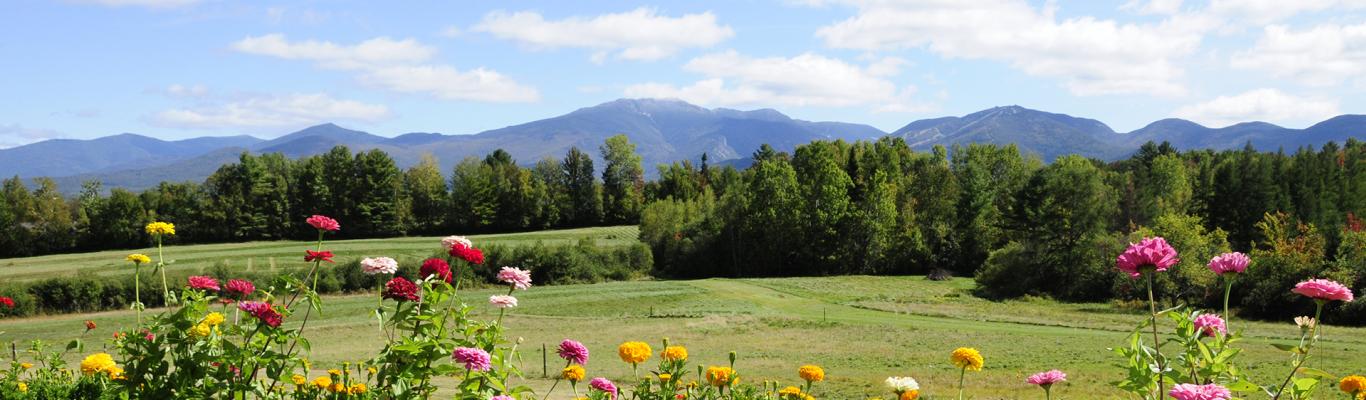
I planned my first White Mountains hike at a kitchen table in 1995: paper maps, a guidebook, and two relatives who knew the range. Thirty-one years later, the mountains have not changed. What it takes to come home from them safely has not changed much either.
The White Mountains are some of the most rewarding terrain you can put your boots on in the Northeast. You can stand on an open summit with ridgelines rolling out for miles in every direction, walk beside a waterfall, or trace a high ridge that feels a world away from the trailhead parking lot. That accessibility is part of the magic. It is also what catches people off guard.

Above treeline, cairns mark a route that can disappear in fog. The Whites reward preparation and punish guesswork.
Every year, New Hampshire Fish and Game conducts roughly 180 search and rescue missions, and the great majority of them are not freak accidents. They trace back to a handful of avoidable decisions: starting too late, packing too light, pushing for the summit when the weather turns, or underestimating how much harder these trails are than they look on a map. The good news is that the same framework locals lean on works just as well for a first-time visitor. It is called the Hiker Responsibility Code, and it was developed by the White Mountain National Forest and New Hampshire Fish and Game. The whole code hangs off a single sentence, “You are responsible for yourself, so be prepared,” followed by six ways to do exactly that. Here is how to put each one to work.
1. Be prepared with knowledge and gear
Before you leave home, know your route: the distance, the elevation gain, and how much of it sits above treeline. Trails in the White Mountains are rough and rocky, making them slower than their distance might indicate. Expect a pace of about 1.5 mph, rather than the 3 mph you could achieve on flat terrain, and factor in extra time for every thousand feet of elevation gain.

A trail sign on the Bondcliff Trail. Knowing the distances on your route, and your honest pace, is the first safety decision you make.
Then check the weather, and check the right weather. The forecast in North Conway tells you very little about what is happening 4,000 feet up. I have turned around at treeline on days when the wind up high was running 30 mph beyond anything the valley forecast suggested. Mount Washington, at 6,288 feet, is famous for having some of the worst weather on the planet. The summit sees hurricane-force winds on more than 100 days a year and held the world record for fastest surface wind speed (231 mph) for decades. The Mount Washington Observatory's Higher Summits Forecast is the gold standard for what the alpine zone is actually doing, and recent trip reports from other hikers will tell you about snow, ice, mud, and high water on your specific trail.

Mount Washington, its summit buildings just visible at left, holds some of the worst recorded weather on Earth. Even in summer the alpine zone can turn dangerous fast.
Every season sets its own trap. Spring hides ice on the upper trails well into May and turns easy stream crossings into serious obstacles. Summer builds afternoon thunderstorms you do not want to meet above treeline. Fall brings the first snow and ice up high while the valleys are still in full foliage, and darkness arrives earlier than tired legs expect. Winter in the Whites is its own discipline with its own gear list, and the smart way into it is alongside experienced partners.
Pack the ten essentials every time, even for a short hike: map and compass (not just a phone), warm clothing, extra food and water, a headlamp, fire starters, a first aid kit, a whistle, rain and wind gear, and a pocket knife. The full list, along with the rest of the code, lives at hikesafe.com. One rule matters above all others here: leave the cotton at home. Cotton holds water, stops insulating when it gets wet, and is a direct path to hypothermia, which remains one of the leading causes of trouble in these mountains even in July. Wool and synthetic layers dry fast and keep working when they are damp.
2. Leave your plan
Tell someone where you are going and when you expect to be back. Name the trailhead, your intended route, and a time at which they should start making calls if they have not heard from you. This single habit shapes how quickly help can find you, and it costs nothing.
3. Stay together
Hike at the pace of your slowest member and keep your group within sight and earshot. Splitting up is how a manageable situation becomes a search. This is especially true with children, with mixed-ability groups, and on descents, when tired legs and fading light make a fall more likely.
4. Turn back
This is the rule that saves the most lives and the one the most hikers ignore. Set a turnaround time before you start, and honor it whether or not you have reached the summit. I've abandoned summits after driving two hours to reach the trailhead, and I've turned around just a few miles from the top. I have never once regretted the drive home. The clouds rolling in, the wind picking up on the ridge, a stream that has swollen since morning, a member of your party slowing down: any one of these is a reason to head down. Summit fever is real, and the mountain is not going anywhere. Some of the most experienced hikers in the Whites are the quickest to turn around, because they have learned that getting back to the car is the only part of the day that is not optional.

Cloud settling over an exposed ridge. A sky like this one is a cue to think hard about turning back, not pressing on.
5. Be prepared for emergencies
Even prepared, careful hikers get hurt or stranded, so carry the means to handle a night out you did not plan on. Cell coverage in the backcountry is patchy at best, which is why many hikers carry a satellite messenger or personal locator beacon. It is also worth knowing about the voluntary hikeSafe Card, sold by NH Fish and Game for $25 per person or $35 per family for the calendar year. Card holders are generally not on the hook to repay rescue costs if they need help, and every purchase supports the search and rescue teams who will come for you.
6. Share the code
If you hike with others, pass this along. The most powerful safety tool in the Whites is a culture where checking the summit forecast, packing the layers, and turning back early are simply what everyone does. New visitors learn it from the people they hike with.
A quick pre-trip checklist
- Pick a route that matches your group's fitness and experience
- Check the Higher Summits Forecast and recent trail reports, not just the valley forecast
- Pack the ten essentials, with wool or synthetic layers (no cotton)
- Tell someone your route and return time
- Set a turnaround time and agree to honor it
The White Mountains reward the people who respect them. Plan well, pack smart, start early, and be willing to turn around, and you will spend your time up here collecting summits and stories instead of becoming one.