

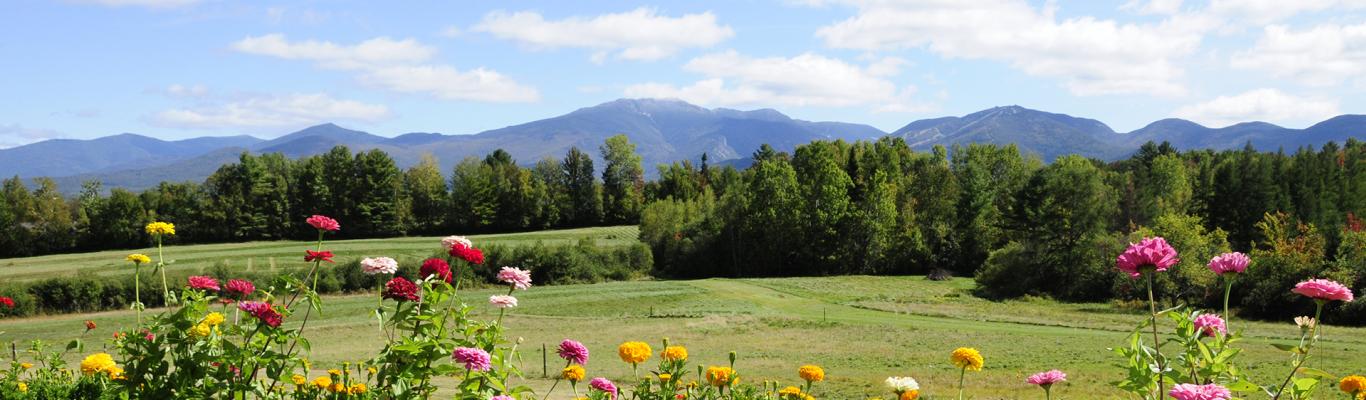
A quiet stillness settles over the White Mountains in winter. Snow blankets the trees, the air turns crisp and clear, and the familiar network of trails takes on a whole new character. For those who love to move through the outdoors, fat biking transforms this frozen landscape into an exhilarating playground. The sport is growing fast across New England, and riding through the White Mountains is quickly becoming one of the most exciting ways to explore the region once the snow falls.
The Thrill of Winter Riding
Fat biking is exactly what it sounds like: cycling on oversized tires designed to float across snow-packed terrain. The bikes handle winter trails with surprising ease, rolling over groomed snow where regular tires would sink. The experience combines the thrill of mountain biking with the peaceful beauty of winter, and it’s a way to keep riding long after the traditional cycling season ends. The White Mountains make a natural home for the sport. Vast trail systems, well-equipped recreation centers, and stunning alpine scenery create an ideal mix for both beginners and seasoned riders looking for a new challenge.
Where to Go Fat Biking
Two of the region’s premier destinations, Great Glen Trails Outdoor Center and the Bretton Woods Nordic Center, have groomed routes and expert support for winter cyclists. At Great Glen Trails, riders can trace gentle riverside paths or tackle rolling forest loops beneath the towering presence of Mount Washington. Rentals and day passes are available on-site, and the trail center provides warm facilities to gear up or take a break between laps.
Bretton Woods offers a similar balance of accessibility and adventure. The Nordic Center maintains miles of groomed trails that weave through mountain foothills and open meadows, where sweeping views and steady climbs test endurance in the best way. Riders can rent bikes directly from the resort and explore routes tailored to both casual exploration and more technical riding. A handful of multi-use areas throughout the White Mountains also welcome fat bikers, perfect for those who prefer quieter trails and self-guided adventures.
Gear Tips, Rentals, & Getting Started
Fat biking doesn’t require much specialized gear beyond the right bike. Riders should dress in moisture-wicking layers, bring insulated gloves, and wear sturdy, weatherproof boots for warmth and traction. A helmet, protective eyewear such as snow or cycling goggles, and a hydration pack are essential, even in cold weather.
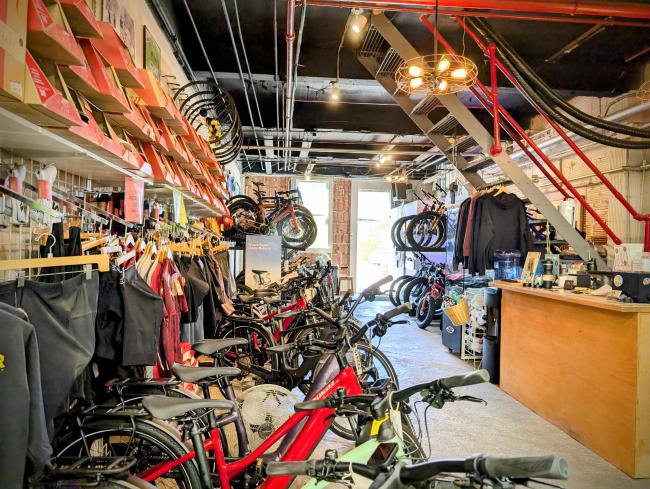
Many places around the region rent fat bikes and provide advice on tire pressure, maintenance, and local conditions, including the Waterville Valley Adventure Center and Littleton Bike & Fitness, where experienced staff ensure you’re properly outfitted and prepared for the terrain ahead.
Morning rides often offer the best trail firmness and visibility, while afternoons are ideal for those who prefer a slower pace and softer light. Keep in mind that winter sunsets arrive quickly, and checking daylight hours while planning your turnaround time helps ensure you return before dusk.
WMAA Staff Photo
Safety & Trail Etiquette
Respect for shared spaces keeps the sport sustainable. Riders should stay aware of changing trail conditions, yield to skiers and hikers, and avoid trails marked as closed or icy. Checking weather forecasts before heading out also makes for a smooth and safe ride. Most trail centers post clear signage and provide maps to guide riders through designated areas, making it easy to explore responsibly.
Make It a Winter Getaway
A day of fat biking pairs easily with other winter activities in the White Mountains. Many trail networks connect to snowshoe paths, cross-country ski routes, and cozy cafés where riders can warm up afterward. Nearby lodges and resorts offer overnight stays, allowing a single ride to turn into a whole weekend adventure.
Those eager to ride through winter will find that fat biking captures the best of both seasons: the thrill of cycling and the magic of snow. Plan your visit and see how the White Mountains’ trails reveal a different kind of beauty in winter.