

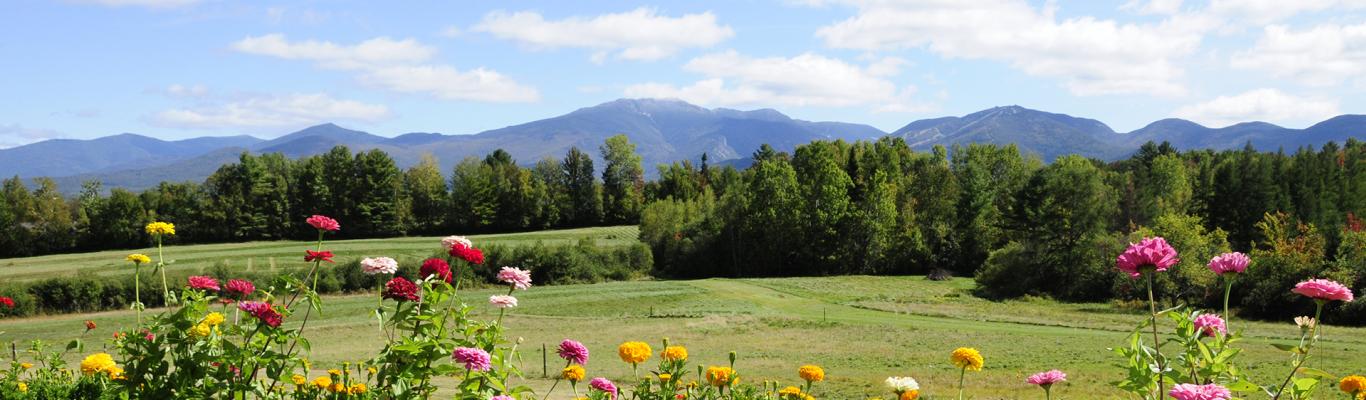
Night falls differently in the White Mountains. On clear evenings, thousands of stars appear, the Milky Way stretches overhead in summer, and winter constellations shine sharp and bright. Stargazing in the White Mountains offers some of the most rewarding dark sky experiences in New Hampshire, especially for travelers willing to step outside after dinner and look up.
This guide highlights favorite spots for night sky views, along with practical tips so you can enjoy all the magic and sparkle imaginable after dark.
Top Stargazing Spots for Unforgettable Views
Dark corners of the region often sit close to familiar scenic drives. The Kancamagus Highway is a natural starting point, thanks to long stretches of road with minimal development. Roadside overlooks and trailhead parking areas between Lincoln and Conway provide open views of the sky and surrounding ridgelines. On moonless nights, these pull-offs offer a true dark sky New Hampshire experience, especially once headlights recede and eyes adjust. Always park only in designated areas and keep an eye on road conditions, particularly in winter.
Further north, viewpoints in and around Franconia Notch work beautifully for stargazing. The parking lots near Echo Lake and the Cannon Mountain base area have wide horizons and relatively low light pollution. Clear nights reveal bright constellations over the notch walls, and reflections sometimes appear on calm water early or late in the season.
The stretch of US Route 302 through Crawford Notch and Bretton Woods provides another set of apt locations. Pull-offs near Saco Lake and around the Mount Washington Valley frame the night sky against striking silhouettes of the Presidential Range. Guests staying at nearby resorts can often step just a short distance from their lodging to enjoy expansive views without a long nighttime drive.
What to Pack for a Perfect Night Under the Stars
Stargazing on a clear night feels best when you arrive prepared. Warm, layered clothing sits at the top of the list: thermal base layers, insulating midlayers, a wind-resistant outer shell, thick socks, insulated boots, and a hat and gloves. Temperatures drop quickly after sunset, even on seemingly mild days.
Comfort items help you stay out longer. Many visitors bring a camp chair or blanket, a thermos of something warm, a headlamp or flashlight (plus extra batteries), especially if you plan to leave your vehicle or walk along trails. Avoid relying on a cell phone for illumination, as battery life fades quickly in cold conditions and dependable light is essential after dark. A small red‑light headlamp also helps preserve night vision while moving around safely.
A star map app, binoculars, or a simple pair of compact field glasses deepen the experience by revealing star clusters and fainter details. Photographers may want a tripod, spare batteries kept in an inside pocket, and a lens cloth in case of moisture or frost.
Tips for Chilly Nights
Winter elevates the drama of the night sky, yet it also calls for extra care. Shorter sessions work well, and a series of brief viewing windows with warm-up breaks in the car or lodge keeps everyone comfortable. Disposable air-activated hand warmers tucked into gloves or pockets make a noticeable difference.
Feet tend to feel the cold first, so sturdy boots, dry socks, and an extra pair in the car come in handy. Snacks and water help maintain energy, and parking near your lodging or along well-traveled roads adds peace of mind. Check the forecast before heading out, paying close attention to the wind and wind chill, and always respect closures or posted warnings on mountain roads.
Seasonal Celestial Highlights You Will Not Want to Miss
Skies above the White Mountains change character with each season, and that rhythm brings variety to stargazing in New Hampshire style. Orion, Gemini, and bright stars like Sirius shine best during long, dark winter evenings. Spring introduces rising views of the Milky Way in the pre-dawn hours. Summer brings the core of the Milky Way into prime position on moonless nights, often arching above silhouettes of the peaks.
Meteor showers pass through the calendar as well. The Perseids typically peak in August, and the Geminids in December, offering chances to watch streaks of light cross the sky when clouds cooperate. New moon periods provide the darkest backgrounds for deep sky observing, while full moon nights bathe ridges and lakes in a soft, reflective glow. Travelers interested in meteor showers can check general shower dates before their trip and then pick a clear night during their stay for the best odds.
Plan Your Stargazing Adventure
Stargazing pairs naturally with scenic drives, wellness stays, and cozy overnights in the White Mountains. The Appalachian Mountain Club’s Highland Center in Crawford Notch is also a natural fit for night‑sky exploration, occasionally hosting stargazing programs and offering a comfortable base for spending a few nights while exploring the surrounding area.
By day, time may be filled with skiing, rock climbing, hiking, or water activities, followed by peaceful evenings under the stars near your inn, resort, or favorite overlook. Start planning your visit and see how the White Mountains reveal a different kind of beauty once night falls.