

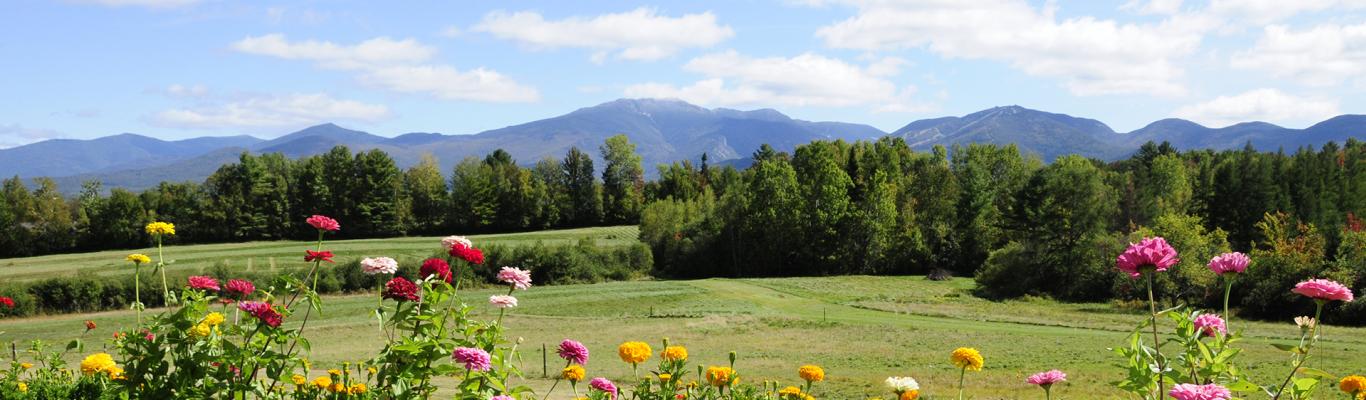
Beyond the big summits and full-day hikes, the White Mountains hold many trails perfect for travelers who want gentle movement, space to breathe, and time to reset. These routes suit wellness-focused visitors, casual walkers, and anyone who feels most at ease wandering rather than racing to a peak.
A steady, unhurried pace, a comfortable path underfoot, and scenery that invites you to pause all help shift attention away from to-do lists and back toward the present moment. These are a few of our favorite places to connect with our inner zen.
Quiet Trails & Scenic Solitude
Several low-impact trails across the White Mountains fit this mood beautifully. Bronson Hill Conservation Area in Sugar Hill has paths that run through mixed forest and open fields. Gentle grades and soft footing give you room to notice small details. This area works well in every season, whether you are walking among spring green, summer shade, fall color, or winter stillness.
Smarts Brook Trail near Waterville Valley follows a lively stream through a wooded corridor. Many walkers choose the easier lower section that meanders along the water, turning around whenever it feels right.
Kilburn Crags outside Littleton leads to a modest viewpoint over town and the distant Presidential Range. Elevation gain stays manageable, and the trail length suits a half-day outing or relaxed evening walk. The overlook at the top encourages a quiet sit on a rock or bench while you watch clouds drift and light change on the far ridges.
Lastly, Champney Falls off the Kancamagus Highway gives walkers a forested route to a series of cascades and stone ledges. The main trail climbs gradually, and many visitors stop at the falls for a simple out-and-back rather than continuing higher. Water levels, ice formations, and seasonal colors change the scene throughout the year, so repeat visits always feel slightly different.
Additional mellow options appear on the Hiking Trails and Outdoors pages, where you can filter by distance and difficulty to find quieter trails that match your comfort level.
How to Walk Mindfully in Nature
Mindful walking does not require special training. A few simple shifts can change how a trail feels. Start by slowing your pace enough to notice your breathing. Let the mind wander a bit at first, then gently bring attention back to the sound of your footsteps, the temperature of the air, or the way your arms move at your sides.
Pausing every so often helps anchor the experience. Stand still for a minute beside a stream, close your eyes briefly, or focus on one detail at a time. Phones can stay tucked away except for photos or safety checks, which makes it easier to stay present.
Gear Tips for Peaceful, Low-impact Adventures
Comfort encourages mindfulness, so basic gear matters. Supportive walking or light hiking shoes, breathable clothing, and a light extra layer keep you relaxed through changing conditions. On cooler days, a hat and gloves help you linger at viewpoints without rushing back to the car.
A small daypack handles water, snacks, and a simple rain shell. Many visitors carry a compact sit pad or lightweight scarf to use as a seat when they find a spot that invites a longer pause. Walking sticks or trekking poles add stability on uneven ground and help maintain an easy rhythm on longer paths.
In shoulder seasons and winter, traction devices and waterproof footwear make even easy trails more secure underfoot. Resources from Maps & Guides, downloaded or printed, help you feel confident about distances and junctions.
Staying Safe & Respectful on Trails
Peaceful nature walks still benefit from basic preparation. Checking the weather before heading out, sharing your general plan with someone, and choosing routes that match your energy level all support a relaxed experience. Turning around early is always an option if conditions change or fatigue sets in.
Trail etiquette keeps these quiet places welcoming for everyone. Staying on marked paths protects fragile plants and prevents erosion. Giving uphill hikers the right of way, keeping voices low near others, and packing out every piece of trash honors the shared nature of these spaces.
A good rule of thumb is to take nothing but photos. Leaving rocks, flowers, and natural artifacts in place preserves the landscape for those who come after you. If you travel with a dog, follow posted leash rules, step aside when needed so others can pass comfortably, and bring bags to carry out pet waste.
More resources are available for those who want to explore responsible recreation further: the state’s Wildly Responsible initiative offers simple guidance on how to enjoy New Hampshire’s outdoors while helping to protect it, and Leave No Trace provides additional science‑based principles that help visitors minimize their impact on the places they visit.
Plan your Restorative Escape to the White Mountains
Mindful walks in the White Mountains create room for reflection without demanding athletic feats. When you are ready to build a full getaway around these wellness walks, start planning and shape a trip that leaves you returning home rested, grounded, and ready for whatever comes next.